
2025 was a productive year for us! We completed over 30 training sessions and certifications with new and repeating clients. Early in the year we launched a new type of assessment and a updated our safety team certification model. Our newest assessment is the Penetration Exercise, or PenEx. There are three levels of PenEx that involve varying degrees of attempts to gain access to restricted areas or sensitive information through social engineering and open-source intelligence research. Our updated safety team certification now includes our Modern Micro Model Learning, or M3. This framework gives safety coordinators a 45-minute lesson plan that is engaging and impactful. It helps them adapt necessary training sessions into manageable sections that can be completed throughout the year. We will be releasing more on the case study that we completed with one of our clients in the coming weeks.
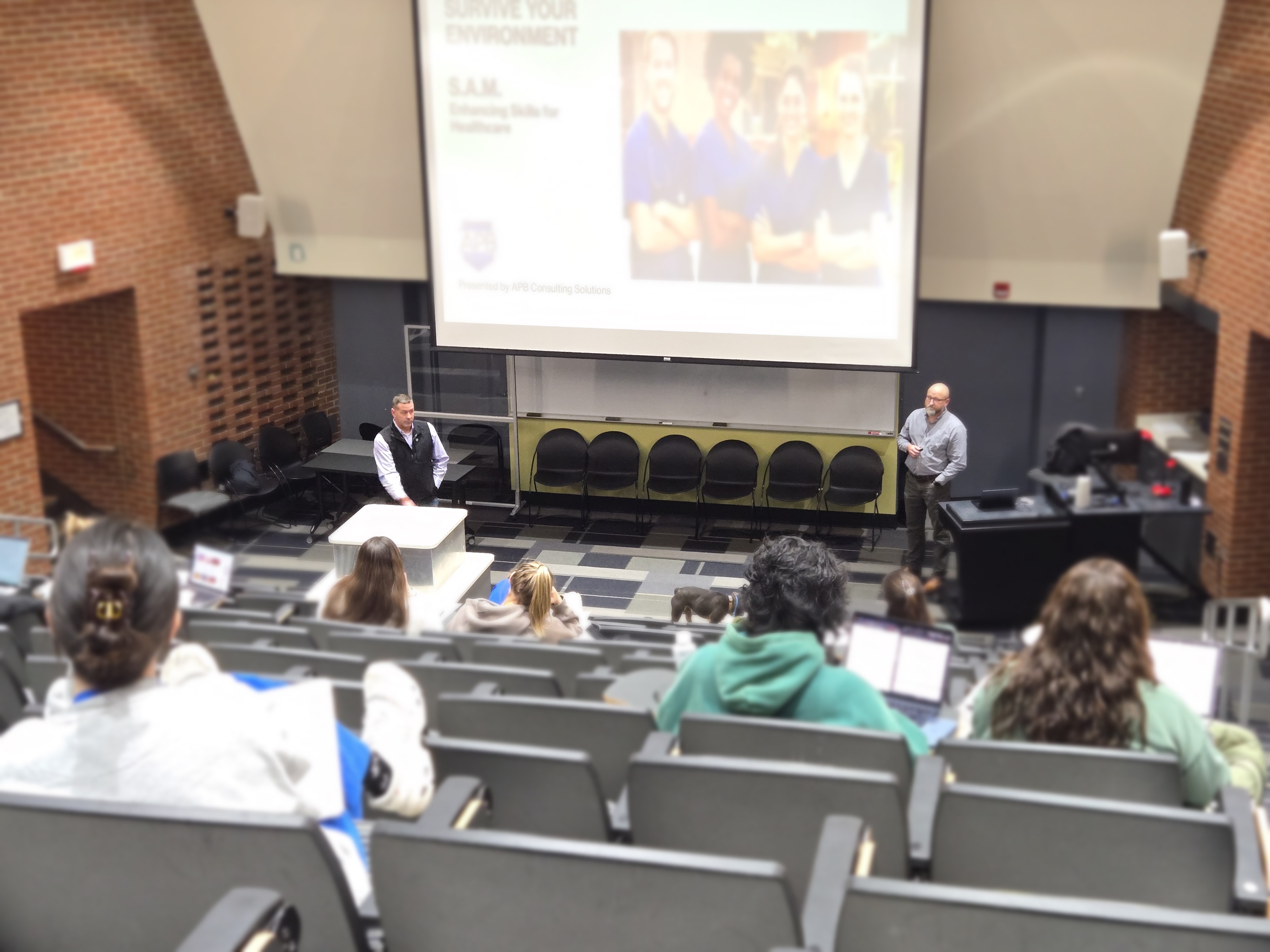
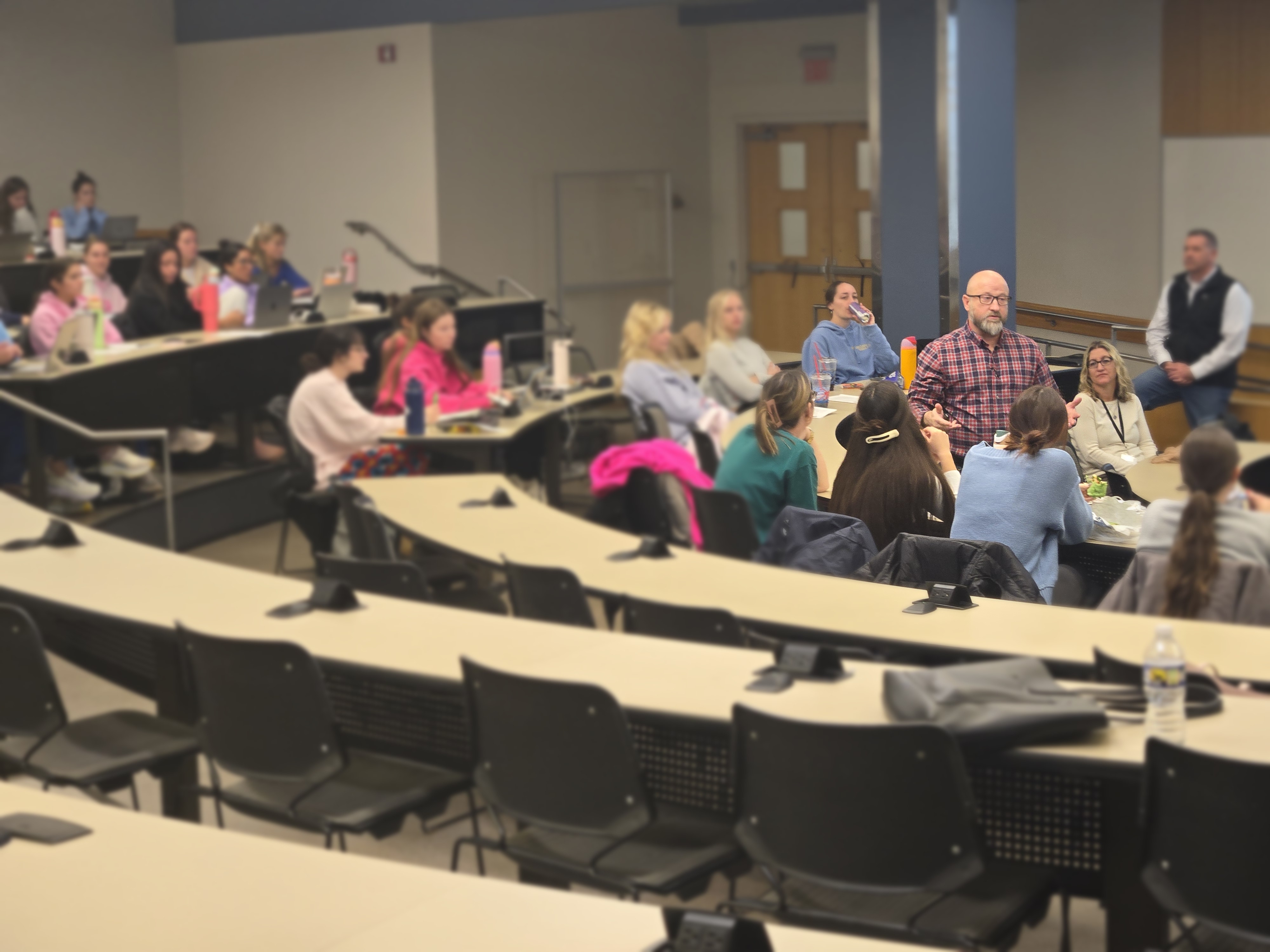
The photos above are from a SAM training session we provided for the University Kentucky College of Nursing. SAM is foundation for Situational Awareness and stands for Survival, Awareness, and Movement. Survival entails analyzing your environment. This means scanning, listening, and orienting yourself to each new environment as you enter it, move through it, and exit it. These include environments we visit only once and environments that we frequent daily. Awareness details more observation techniques that we can adopt for further analyzation. Movement focuses on developing a plan of action in the event of an emergency or crisis. This can mean finding alternate routes for exits, well-lit paths to your parked car, the safest place to stand at a crowded event space. We modified this course to give specific examples of the challenges that nurses and other healthcare professionals face. Healthcare faces one of the highest rates of workplace violence and it is part of our mission as a company to give nurses the best skills to respond to threats with and hospitals with best prevention plans.
Workplace Violence Legislation Around the Country
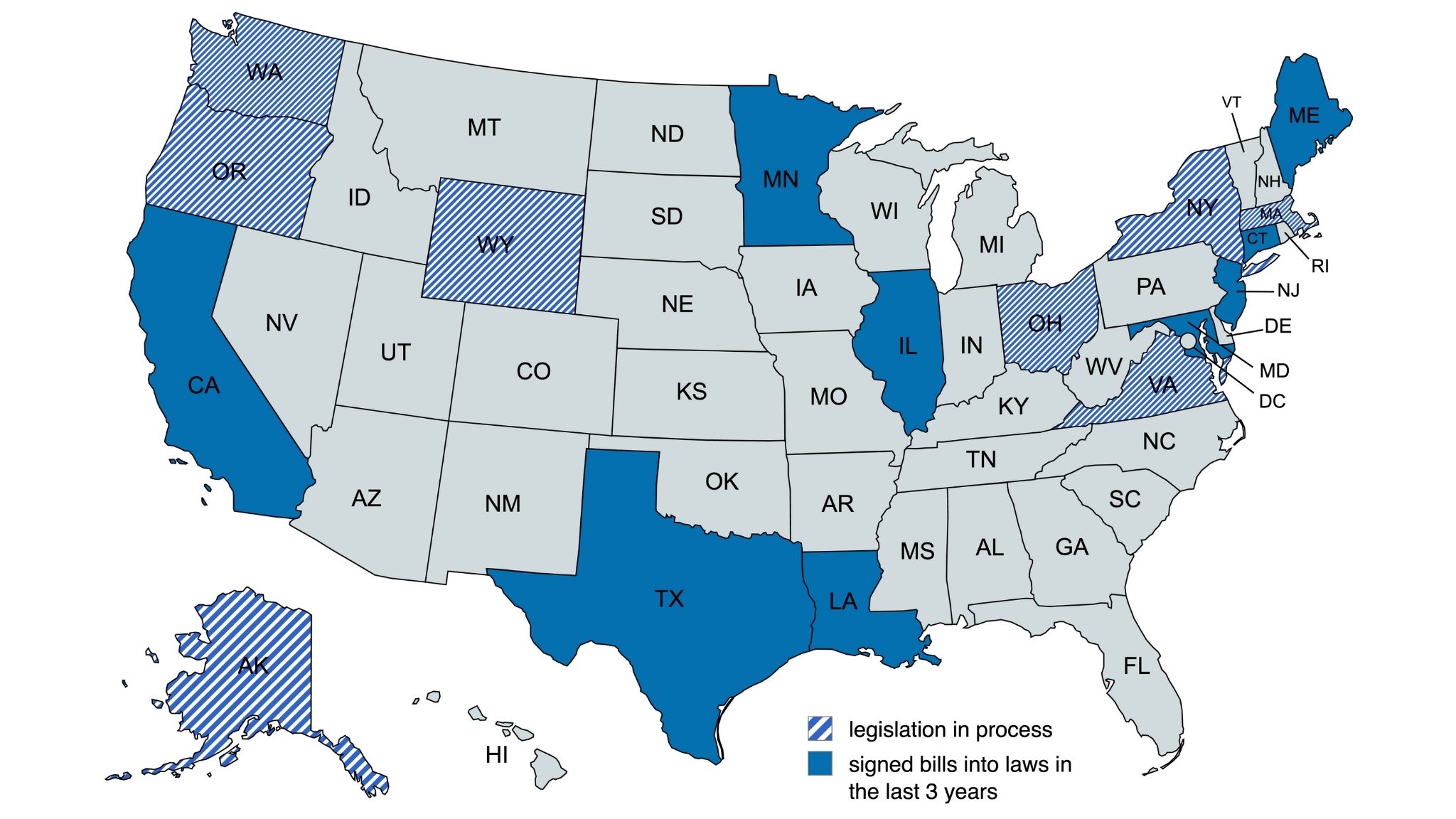
Workplace violence legislation is increasing in popularity among state level government. At the end of 2025, 8 states had workplace violence bills moving through their legislative system. These bills ranged from mandates on training for retail workers, emergency notification system requirements, and minimum punishments for individuals who commit acts of violence against healthcare professionals. While these guidelines and laws can help set the framework for training, the quality of the training will still depend on the individual workplaces.
Last year, New York passed one of the most detailed workplace violence training and prevention requirements in the country. It included mandates and guidelines like:
- Adopt a written retail workplace violence prevention policy.
- Retail employers with fewer than 50 employees will have to provide workplace violence prevention training every other year, instead of annually, as large retailers will have to do. All retailers must provide training upon hire.
- Larger retail employers will not be required to install panic buttons at their locations, but they must provide employees with a silent response button to request immediate internal assistance when faced with an emergency. The silent response button may be installed in the workplace at an easily accessible location or as a wearable or mobile phone-based button.
And many more specific requirements for businesses of all sizes. Failure to meet the standards set within these laws can lead to hefty fines, loss of operating licenses, and in severe cases can shut down a business. Legal compliance can be confusing to navigate. APB is here to be the easy button to prepare your business for all types of threats and hazards.
Breaking Down the Skill of "Awareness"
This is an overused term! While everyone desires and requires awareness,
understanding the foundational principles of “awareness” is often lost or unknown throughout society. Awareness comprises four primary supporting safety and security pillars. We will provide examples of each as they pertain to workplace safety.
1. Recognition: Equipping employees with the ability to recognize early warning signs (e.g., suspicious behavior, fraud) enables prompt intervention, thereby mitigating the severity of events.
2. Response: The plan during a crisis (e.g., evacuations, first aid) limits harm, maintains order, and ensures compliance with emergency protocols.
3. Mitigation: Training employees to escape, slow, or neutralize the threat (e.g., medical assistance, securing equipment, adhering to safety protocols) prevents incidents or minimizes their impact, thereby saving costs and safeguarding lives.
4. Recovery: Training in recovery prepares employees to (e.g., communication plans, reopening timelines, employee assistance) minimize downtime and financial losses.
If your business, team, or organization lacks a strategy and training for each of these four pillars, the business and its employees are at risk and vulnerable. This is a bold statement, but nevertheless accurate. Every company should strive to avoid becoming the next statistic in
the news or an overanalyzed safety and security article on LinkedIn. The steps for ensuring these measures are properly incorporated into policies and disseminated to the staff through education and training are relatively straightforward, even for companies with a significant geographical footprint. Awareness can prevent numerous negative occurrences but understanding how awareness is cultivated creates a distinct skill set that surpasses the most “aware” individuals. Regular training, practice, and repetition are essential.
Care About What You Share About
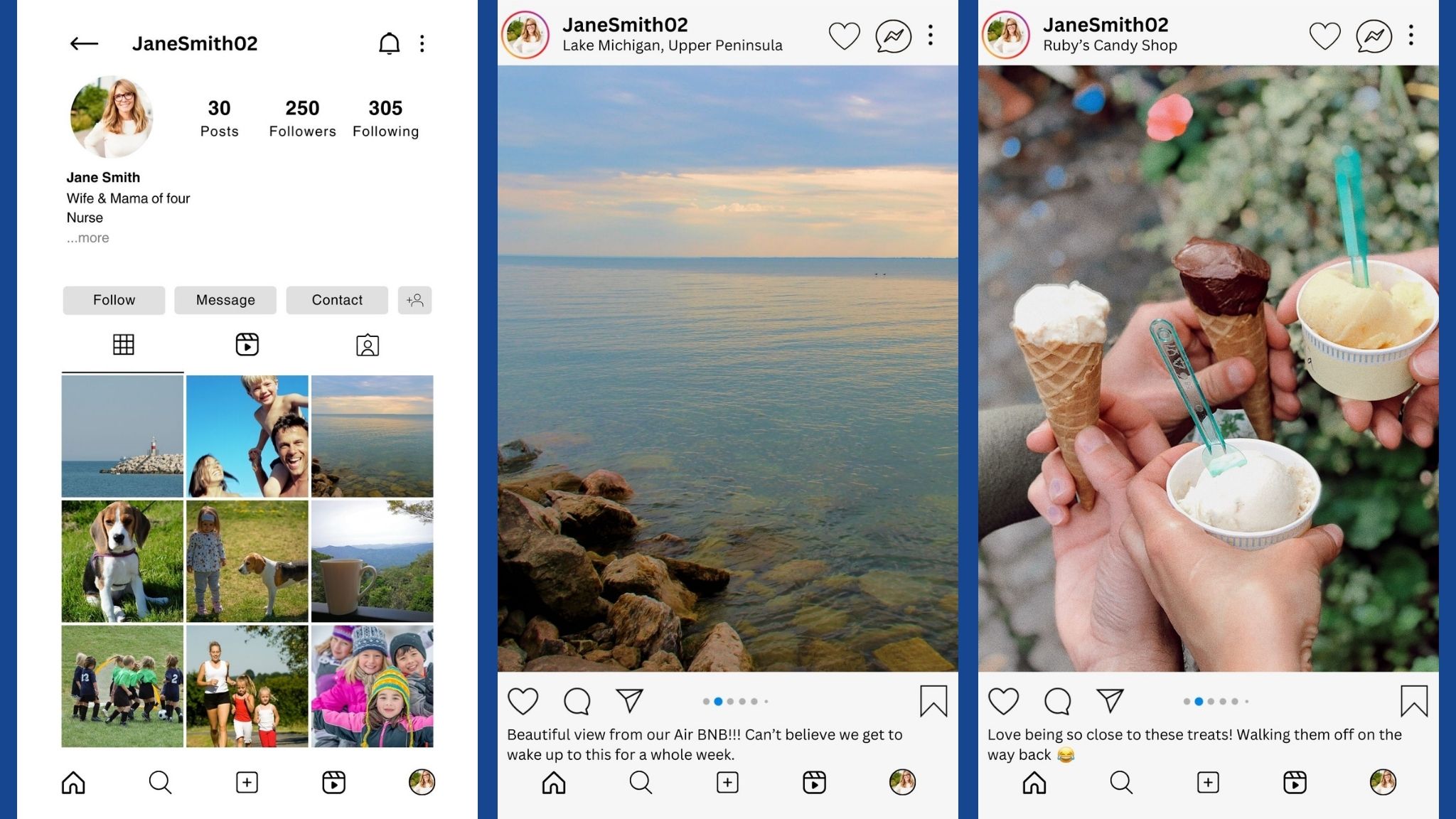
Sharing too much online can put families, individuals, and businesses at risk. Even private accounts can be at risk if too many details about habits and locations are shared. Personal data exposure such as your full name, location, and birthdate can leave you vulnerable to criminals who will use this information to impersonate you for the purpose of identity theft or launch targeted phishing scams.
Phishing scams are used by cybercriminals to obtain more sensitive data or have you or your connections click on malicious links. Geotagging, or sharing your real-time location may put you at risk of physical harm or theft. Frequent location sharing on social media also helps potential criminals map your habits and routines. Attackers will use this combination of information shared to use social engineering against you or your loved ones.
Social engineering (in the context of information security) the use of deception to manipulate individuals into divulging confidential or personal information that may be used for fraudulent purposes. For example, some recent scams have used social media to contact family members over the phone and tell them that a loved one has been incarcerated, and the family member needs to give the caller their credit card or routing information in order to post bail. Some have become so technologically advanced that they use videos of the loved one from their personal social media to replicate their voice with AI and use it on the phone call to be more convincing.
It is important to pause before you post. Post photos of the event, dinner, or social gathering you're at after you leave instead of live updating. Disable geolocation settings completely. Make sure your address, child's school and teacher's name, and other personal details are not included in the photo or caption. Be wary of sharing details of where you are on vacation and how long you'll be there.
Verbal De-escalation
Concepts and Phrases
Concepts
Track Tone, Then Pivot to Solutions
Verbal De-escalation is a vital skillset for positive workplace culture, top-notch customer service, and personal safety. Tone of voice is a critical element of communication. Tone includes pitch, volume, pace, and inflection. Changes in these elements can indicate a change in mood or implicate an escalation in violence. Individuals on the brink of escalation will often begin speaking in a louder volume, more rapid pace, and place emphasis on certain words to get their point across. As the tone and speech pattern changes, it is important to adapt your own language.
Simple framing tweaks can help:
- Use positive, reassuring language: “Absolutely” instead of “No problem.”
- Avoid negative statements like “That’s against policy.” Instead, say: “What I can do is…”
Phrases
“Could I try…”
When customers feel powerless, giving them options restores a sense of control. These kinds of phrases are particularly helpful when “troubleshooting” an issue that doesn’t have a clear solution:
- Could I try speaking to my colleague, they may have another idea?
- I have another option we could try; would you be open to that?
- I could do [action] but it might take a moment, would you mind waiting a moment, or would you like a call back?
Even if the options are limited, demonstrating effort helps customers calm down and feel supported.
“Here’s what we know, what we’ve done, and what we can do…”
Agitated customers want clarity, about what happened, why it happened, and what’s being done to resolve it. The best customer service professionals explain in three steps:
- What we know: We see your systems went down at 3 p.m. due to a technical fault with our server, and you’ve been experiencing issues since.
- What we’ve done: We’ve already got a technician working on the problem, and the server is now functional, but we’re still troubleshooting issues.
- What we will do: We will make a note on your file and run some additional checks. Our team will inform you immediately when the issue is resolved.
Take Our Free Course
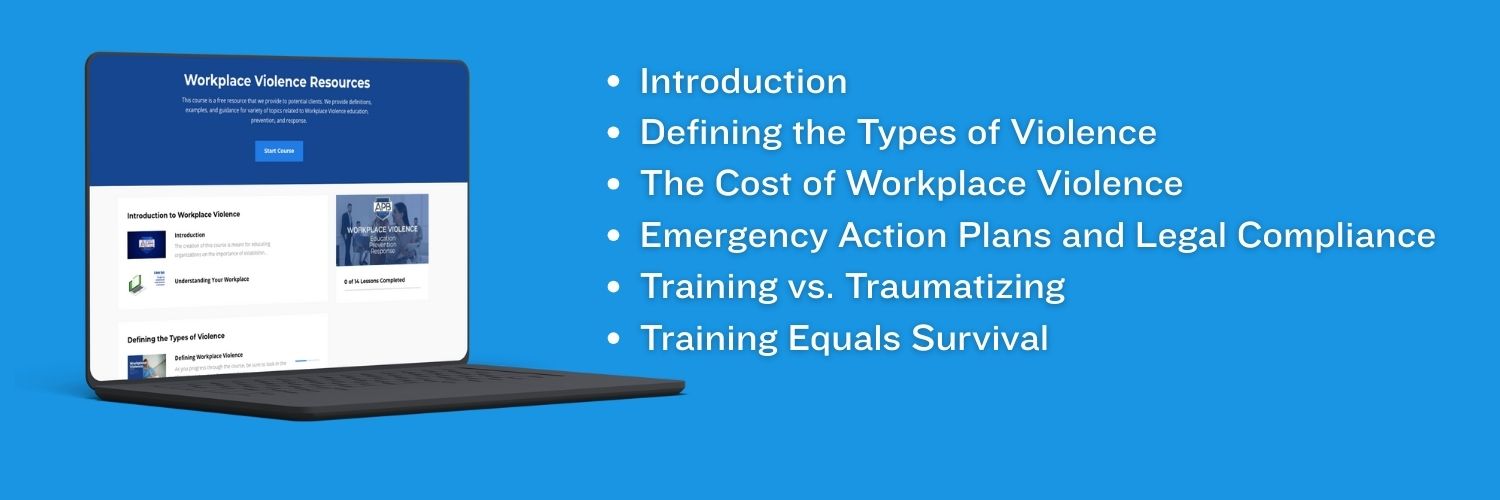
We offer a free introductory to Workplace Violence education and prevention course. The course includes video, audio, and written lessons, to be taken at your convenience, online. The course breaks down legal compliance, definitions of violence, consequences of non-compliance or failure to train properly, and the roles of leadership. We include downloadable infographics and PDFs. This course will give you the foundational knowledge to begin your safety journey and keep your workplace protected from internal, external, and natural threats.
Thanks for reading!
We hope this newsletter has been beneficial for your safety skillset. APB Consulting Solutions exists to set the standard for both Law Enforcement and the General Public on safety and security solutions. Contact us today to learn more about our courses, training options, and individual safety lessons.




Responses